
Questions & Answers: Metallic Flooring
Interested in a more custom, high-end floor? Get clear answers to help you decide if it’s the right fit. Take the next step with confidence.
What is metallic epoxy flooring, and how does it work?
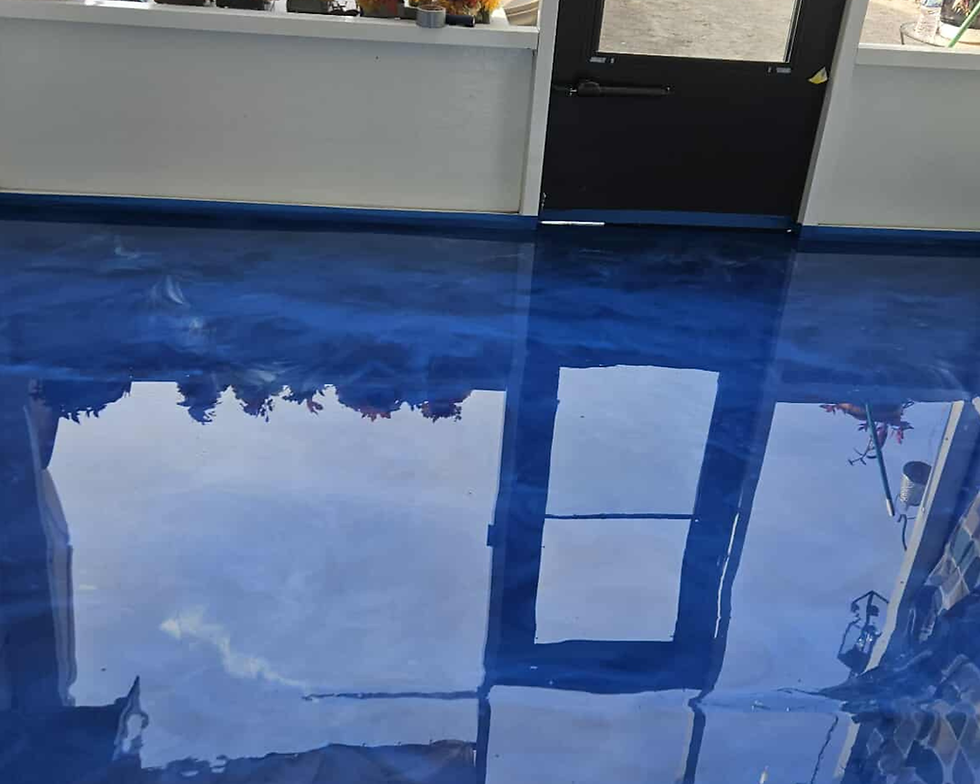
Metallic epoxy flooring is a decorative coating system that combines epoxy resin with metallic pigments to create a fluid, three-dimensional appearance. During installation, the pigments are manipulated to produce movement, depth, and reflective effects that cannot be replicated with standard coatings. The system bonds directly to properly prepared concrete, creating a seamless surface. Because of the application process, no two floors look exactly the same. This makes metallic epoxy a popular choice for homeowners and businesses looking for a unique finish. It is commonly installed in interior spaces where both durability and aesthetics are important.
Where is metallic epoxy flooring typically installed?
Metallic epoxy flooring is most commonly installed in interior environments such as garages, showrooms, offices, retail spaces, and residential living areas. It is especially popular in spaces where visual impact is a priority, such as entryways or commercial display areas. Because it creates a smooth and reflective surface, it works well in modern or high-end designs. However, it is generally not recommended for exterior use due to UV exposure. Indoor environments allow the coating to maintain its appearance and performance over time. The system is versatile enough to be used in both residential and light commercial applications.
How durable is metallic epoxy flooring compared to other coatings?
Metallic epoxy flooring is designed to be durable and resistant to everyday wear when installed correctly. It performs well under foot traffic and light to moderate use in residential and commercial settings. Compared to standard paint or sealers, it offers significantly better adhesion and surface protection. However, in heavy industrial environments, additional protective topcoats may be required. Its durability also depends on proper surface preparation and maintenance. Overall, it provides a strong balance between performance and visual appeal.
How is metallic epoxy flooring installed?
The installation process begins with mechanical grinding of the concrete surface to ensure proper adhesion. Any cracks or imperfections are repaired before applying the base coat. A metallic epoxy layer is then applied and manipulated to create the desired visual effect. Once the design layer cures, a protective topcoat is added to improve durability and resistance. The process requires controlled conditions and experienced installers to achieve consistent results. Each step plays a critical role in the long-term performance of the floor.
Can metallic epoxy flooring be customized?
Yes, metallic epoxy flooring offers a high level of customization in both color and design. Installers can blend multiple pigments to create unique patterns, swirls, or depth effects. Customers can choose from subtle, neutral tones or more dramatic, high-contrast finishes. Because the application is done by hand, every floor has a one-of-a-kind appearance. Additional topcoats can also be selected to adjust gloss levels or performance characteristics. This flexibility makes it suitable for a wide range of design preferences.
Is metallic epoxy flooring slippery when wet?
Metallic epoxy flooring can be smooth, which may increase the risk of slipping when wet. However, slip-resistant additives can be incorporated into the topcoat to improve traction. These additives are typically clear and do not significantly alter the appearance of the floor. The level of slip resistance can be adjusted depending on the intended use of the space. Areas with higher moisture exposure may require additional texture. Proper planning during installation helps balance safety and aesthetics.
How long does metallic epoxy flooring last?
The lifespan of metallic epoxy flooring depends on factors such as traffic, maintenance, and installation quality. In residential settings, it can last many years without significant wear when properly maintained. Commercial environments may experience faster wear depending on usage levels. Regular cleaning and avoiding harsh impacts can extend the life of the coating. Protective topcoats also play a role in preserving the finish. Overall, it is considered a long-term flooring solution when installed correctly.
Can metallic epoxy be applied over existing concrete?
Yes, metallic epoxy can be installed over existing concrete if the surface is structurally sound. The concrete must be properly prepared through grinding or shot blasting to ensure adhesion. Any contaminants such as oil, grease, or previous coatings must be removed. Cracks and surface defects should also be repaired before installation. Moisture levels in the concrete must be evaluated to prevent future issues. Proper preparation is critical to achieving a durable and long-lasting result.
What kind of maintenance does metallic epoxy flooring require?
Metallic epoxy flooring is relatively low maintenance compared to untreated concrete. Routine cleaning with non-abrasive tools and neutral cleaners is typically sufficient. Because the surface is seamless, dirt and debris do not accumulate in joints or grout lines. Spills can be cleaned easily without staining when addressed promptly. Harsh chemicals and abrasive cleaning methods should be avoided to protect the topcoat. Regular maintenance helps preserve both appearance and performance.
Does metallic epoxy flooring resist stains and chemicals?
Metallic epoxy flooring offers resistance to many common household and commercial chemicals. It can handle spills from oils, cleaners, and mild chemicals when cleaned in a timely manner. The protective topcoat acts as a barrier, reducing the risk of staining. However, prolonged exposure to strong chemicals may still cause damage. Using appropriate cleaning practices helps maintain the integrity of the surface. Overall, it provides better resistance than bare concrete or basic coatings.
Is metallic epoxy flooring UV-resistant?
Standard metallic epoxy is not fully UV stable and may amber or discolor when exposed to direct sunlight over time. This is why it is primarily recommended for interior applications. To improve UV resistance, a UV-stable topcoat such as a polyaspartic layer can be applied. Even with added protection, long-term exposure to sunlight may still affect appearance. For areas with significant sunlight exposure, alternative systems may be more suitable. Understanding the environment is important when selecting this system.
How long does it take to install metallic epoxy flooring?
Installation time can vary depending on the size of the project and the condition of the concrete. Most residential projects are completed within a few days. The process includes preparation, coating application, and curing time between layers. Environmental conditions such as temperature and humidity can also affect timelines. Full cure time may extend beyond installation before heavy use is recommended. Planning ahead helps minimize disruption.
Can metallic epoxy flooring crack or peel?
When installed correctly on properly prepared concrete, metallic epoxy flooring is unlikely to peel or delaminate. However, underlying concrete movement or structural issues can lead to cracking. Poor surface preparation is one of the most common causes of coating failure. Environmental factors such as moisture intrusion can also affect performance. Addressing these factors during installation reduces the risk of issues. Proper installation is key to long-term durability.
What makes metallic epoxy different from flake flooring systems?
Metallic epoxy flooring focuses on visual depth and movement, creating a high-gloss, decorative finish. In contrast, flake systems use vinyl chips to create a textured, more uniform appearance. Flake systems often provide more built-in slip resistance due to their texture. Metallic systems are typically smoother and more design-focused. Both systems offer durability but serve different aesthetic and functional purposes. Choosing between them depends on the intended use and desired look.
Can metallic epoxy be repaired if it gets damaged?
Repairs to metallic epoxy flooring are possible, but can be more complex than standard coatings. Because the design is unique, matching the original pattern can be difficult. Small areas may be patched, but the repair may be visible. In some cases, a full recoat may be recommended for a consistent appearance. Preventative maintenance can reduce the likelihood of damage. Understanding repair limitations is important when choosing this system.
Is metallic epoxy flooring suitable for high-traffic areas?
Metallic epoxy can handle moderate to high foot traffic in residential and commercial settings. However, extremely heavy traffic or industrial use may require additional protective coatings. The performance of the floor depends on the thickness of the system and the type of topcoat used. High-traffic areas may show wear over time if not properly maintained. Selecting the right system for the environment is important. It is best suited for spaces balancing aesthetics and function.
Does metallic epoxy flooring have seams or joints?
Metallic epoxy flooring is completely seamless, meaning there are no grout lines or joints. This creates a smooth, continuous surface across the entire floor. The seamless design helps prevent dirt, dust, and moisture from accumulating. It also contributes to easier cleaning and maintenance. In addition, the lack of seams enhances the overall visual effect. This is one of the key advantages over tile or other segmented flooring options.
How does temperature affect metallic epoxy flooring?
Temperature plays a significant role in both installation and long-term performance. During installation, proper temperature ranges are required for curing and adhesion. Extreme temperature fluctuations can affect the underlying concrete, which may impact the coating. Once installed, the system is designed to handle normal indoor temperature variations. However, it is not typically intended for extreme outdoor conditions. Controlled environments help ensure optimal performance.
Is metallic epoxy flooring environmentally friendly?
Metallic epoxy flooring can contribute to a cleaner indoor environment due to its seamless and non-porous surface. It does not trap dust, allergens, or moisture like some traditional flooring materials. Low-VOC formulations may be used to reduce environmental impact during installation. The long lifespan of the system also reduces the need for frequent replacement. Proper installation and material selection are important factors. Overall, it can be a practical option for indoor spaces.
Why choose metallic epoxy flooring over traditional flooring options?
Metallic epoxy flooring offers a combination of durability and visual impact that is difficult to achieve with traditional materials. It provides a seamless surface that is easier to maintain than tile or untreated concrete. The ability to customize colors and patterns allows for a unique design tailored to the space. While it requires professional installation, the result is a long-lasting and visually distinctive floor. It is ideal for those looking to upgrade both function and appearance. This makes it a strong option for modern residential and commercial environments.